
I'm a game designer. I started out as a gameplay programmer, so I tend to work in Unity alongside the documentation rather than after it.
I studied computer science, led a nine-person team building a sci-fi action platformer in Unreal for my capstone, then spent two years on military simulators before moving into games full time. Most recently I led design and level design on a third-person tactical shooter. Alongside that I work on my own projects, a horde-defense shooter currently in progress.
I work on the systems under the moment-to-moment combat, weapons, enemy behavior, progression. Most of it starts as a document and changes once it's running in engine.
I lay out spaces how they'll actually be played: where the player traverses, where they can breathe, and what they can see from where. Blockouts first, tuning after playtests.
I implement systems in Unity either by using pre-built systems or by building requirements for the programmers to build. Mission objectives, interactables, movement.
Everything the player has to read under pressure. I care most about what stays legible when the screen gets busy.
GDDs, 3Cs specs, weapon and NPC documents. Written so a programmer or artist can pick one up and build from it without asking me what I meant.
Breaking required/pending work into deliverables with time estimates and risk per item, so a team knows what ships and when.
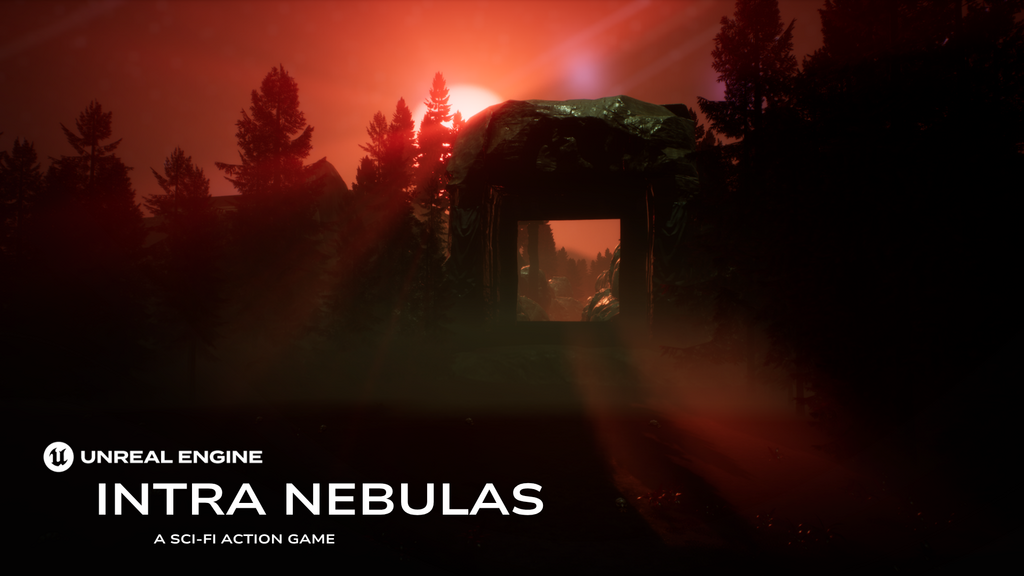
A sci-fi action platformer set on a desolate planet where players navigate through the ruins of an advanced civilization while battling hostile arachnid creatures and automated defense systems. Players must reach an ancient telescope structure that holds the key to the planet's mysteries.
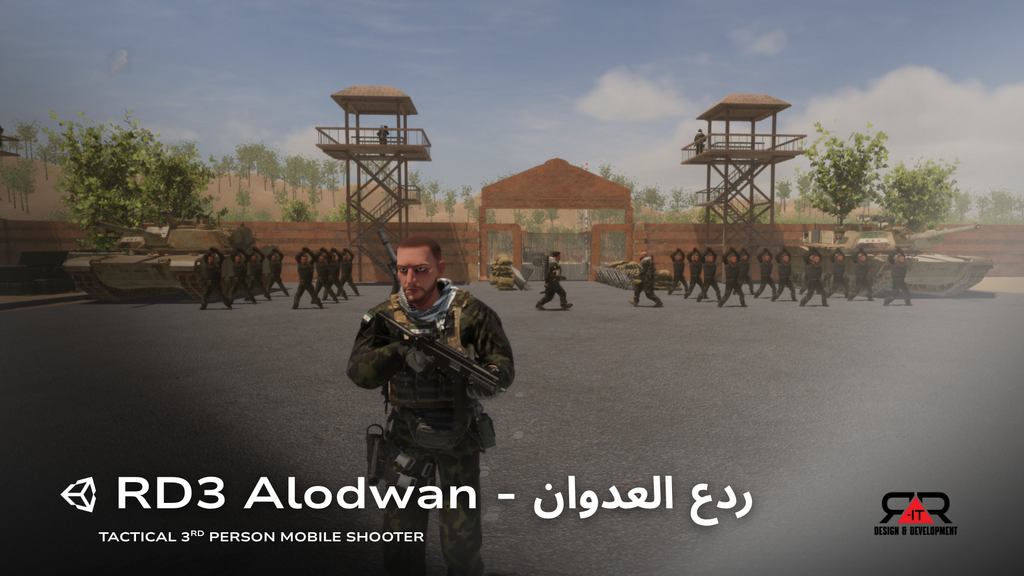
A mission-based tactical shooter for mobile, set across military operations where players advance through objective-driven scenarios against armed opposition. Five missions built around a modular objective system, with combat, weapons, and enemy behavior designed to work within mobile control and performance constraints.
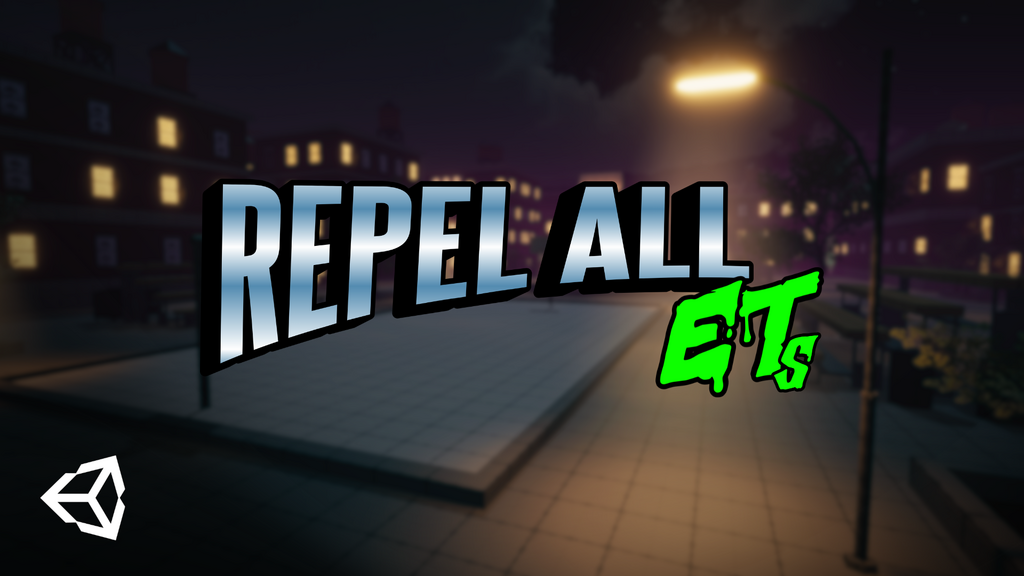
A first-person horde-defense shooter, holding a position against alien waves with a shotgun and a B-movie horror comedy tone. Arena layouts route enemy approaches through chokepoints tuned to shotgun range and reload timing, with weapon feedback and HUD readability designed to hold up once a wave lands.
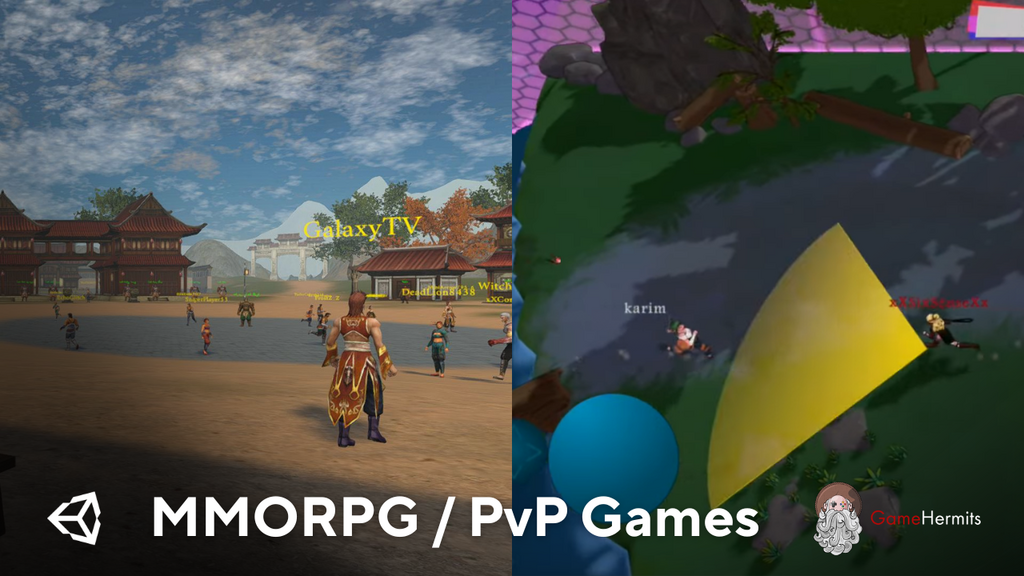
Two networked titles at Game Hermits, two full hero kits for a mobile MOBA with skills synchronized through Mirror, and a server-authoritative character controller for an MMORPG remaster covering combat, mob AI, and stats on Fish-Net.
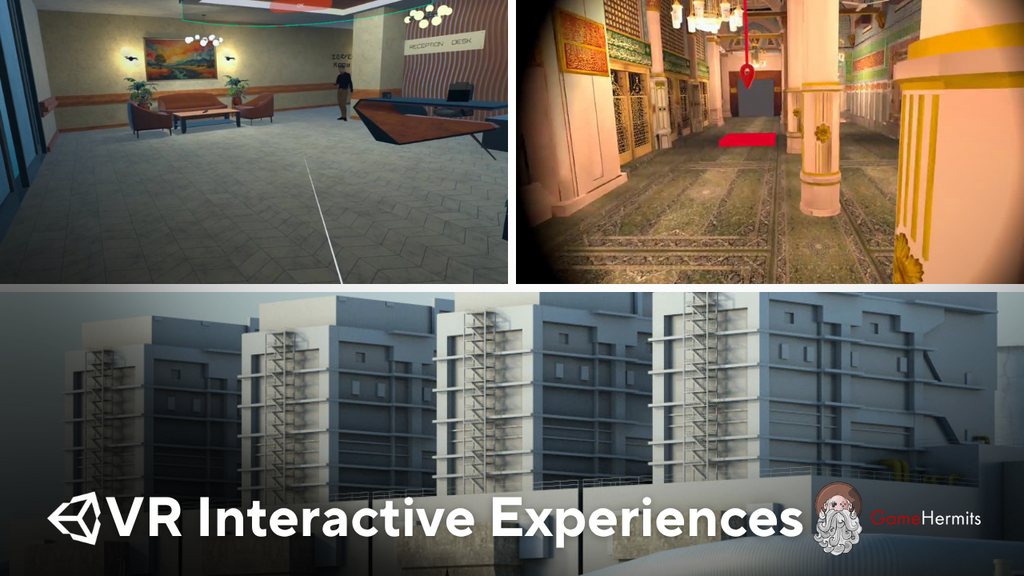
VR work at Game Hermits for Meta Quest 3, emergency response simulators for electrical and power plant incidents, where trainees rehearse procedure under time pressure, and guided virtual tours of historic and holy sites built around presence and pacing.
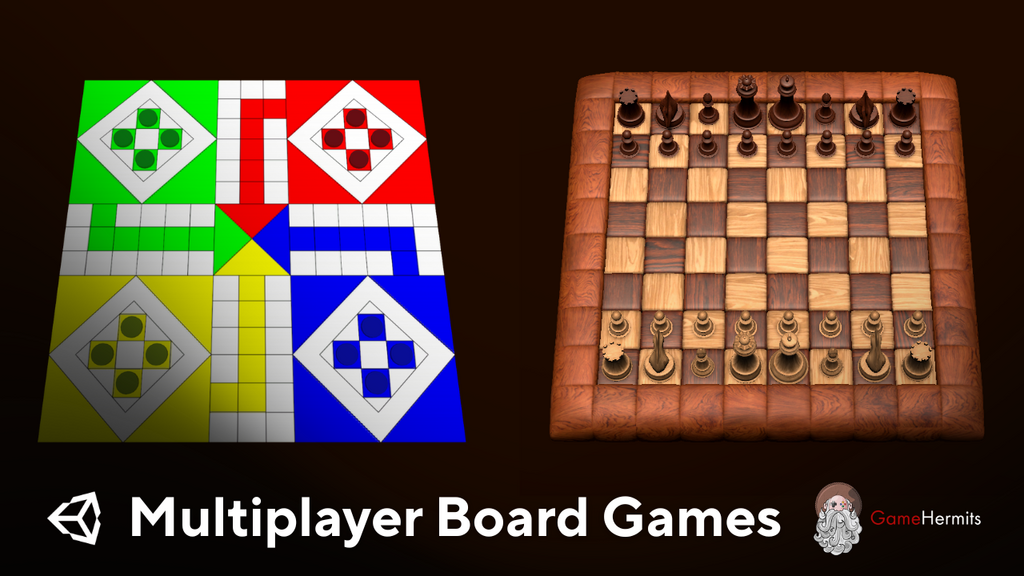
Browser adaptations of Ludo and Chess built at Game Hermits, networked with Fish-Net. Server-authoritative turn and state handling keeps move legality and dice rolls out of the client's hands.